
The evolution of gambling a deep dive into its historical roots
The Origins of Gambling
The roots of gambling can be traced back thousands of years, with evidence suggesting that early forms of betting activities emerged in ancient civilizations such as Mesopotamia and China. Archaeological findings indicate that dice made from animal bones were used in these cultures as early as 3000 BC. Additionally, ancient Chinese texts mention rudimentary games of chance, pointing to a long-standing human fascination with risk and reward. In modern times, you can experience exhilarating options at casino OnlySpins, which reflects this age-old tradition.

Gambling served various purposes in ancient societies. It was not merely a form of entertainment but often intertwined with religious and cultural practices. For instance, many tribes used games of chance to make decisions, allocate resources, or even select leaders. This indicates that gambling was embedded in the social fabric, reflecting broader human behavior and psychology.
The Development of Gambling in the Middle Ages
During the Middle Ages, gambling evolved significantly, particularly in Europe. With the rise of fairs and marketplaces, games of chance became more organized, leading to the establishment of betting houses and the first casinos. This period saw the introduction of card games, which rapidly gained popularity and became a staple in social gatherings.
The emergence of gambling laws during this time reflected society’s growing concern over the moral implications of betting. Rulers imposed regulations to mitigate potential social issues, indicating that gambling was beginning to be seen as both a source of entertainment and a potential vice. The juxtaposition of enjoyment and risk laid the groundwork for the complex relationship people have with gambling today.
The Rise of Modern Casinos
The 17th and 18th centuries marked the beginning of the modern casino era, particularly in Europe. The establishment of the first official casino in Venice in 1638 set the stage for a proliferation of gambling establishments across the continent. These venues attracted not only locals but also tourists eager to test their luck in games like roulette and baccarat.
By the 19th century, the American gambling scene had also taken shape, with riverboat casinos and the emergence of Las Vegas as a central hub for gambling activities. This expansion led to the development of various gaming regulations and the establishment of a gambling culture that is still evolving today. Modern casinos now offer an array of games, catering to diverse preferences while combining luxury and excitement.
The Psychology Behind Gambling
The evolution of gambling is intertwined with the psychology of human behavior. The thrill of uncertainty and the lure of potential rewards drive many individuals to participate in gambling activities. This psychological aspect is crucial in understanding why people gamble, with factors such as excitement, escapism, and social interaction playing significant roles.
Moreover, the development of online gambling has further transformed the landscape, allowing people to engage in gaming activities from the comfort of their homes. This shift has led to an increase in gambling addiction concerns, prompting discussions around responsible gaming and the need for regulations to protect vulnerable players.
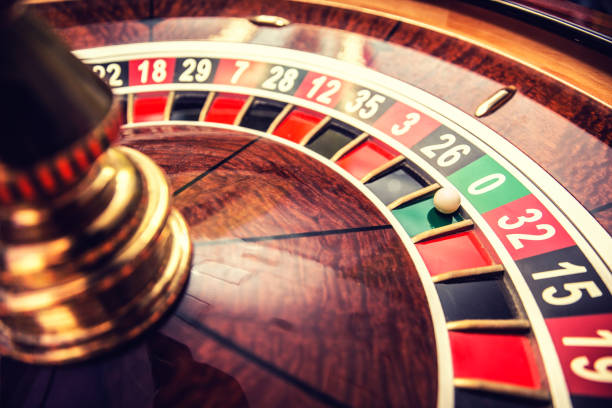
Exploring Online Gambling Platforms
As the gambling landscape continues to evolve, online platforms have emerged as a significant player in the industry. Websites like OnlySpins Casino provide a comprehensive gaming experience, featuring thousands of slots and games, including live dealer options. The convenience of accessing a wide variety of games from anywhere has reshaped how individuals engage with gambling today.
OnlySpins Casino not only offers thrilling gaming experiences but also ensures a safe environment for its users. With attractive bonuses and reliable customer support, platforms like this are at the forefront of the online gambling revolution. This evolution highlights the ongoing transformation of gambling, reflecting changes in technology, culture, and consumer preferences.