
Cultural perspectives on the allure of gambling across different societies
The Historical Context of Gambling
Gambling has a long-standing history that spans across different cultures and societies, often intertwined with local traditions and practices. In ancient civilizations, such as those in Mesopotamia and China, gambling activities were not merely seen as forms of entertainment but also held ritualistic significance. These early forms of gambling included dice games and betting on outcomes of various events, reflecting a blend of chance and fate that resonated deeply within these cultures. Today, those interested in modern gaming experiences can visit the Realbet casino official site United Kingdom to find a wide range of options that showcase this thrilling pastime.

As societies evolved, so did the forms and perceptions of gambling. In medieval Europe, for example, games of chance became popular among the nobility, symbolizing status and wealth. The legal and social acceptance of gambling varied widely, with some societies embracing it and others condemning it, leading to a complex cultural tapestry that influences modern perspectives on gambling.
Gambling and Social Identity
In many cultures, gambling is often linked to social identity and community bonding. For instance, in certain Indigenous cultures, traditional games of chance serve as a means of preserving heritage and fostering community ties. These activities not only provide entertainment but also reinforce cultural narratives and collective memories, allowing participants to engage with their heritage in meaningful ways.
Conversely, in modern urban settings, gambling has taken on a new form. Casino culture and online betting platforms have emerged, often viewed as a rite of passage among young adults. The allure of gambling in these contexts can reflect a desire for social acceptance, thrill-seeking behavior, or even an escape from daily life. Such dynamics illustrate how gambling serves as a multifaceted social tool across varying cultural landscapes.
Religious Perspectives on Gambling
The influence of religion on gambling practices is profound and varies greatly from one society to another. In some cultures, gambling is seen as morally acceptable and even celebrated, while in others, it is strictly forbidden. For example, in many Islamic countries, gambling is prohibited under Sharia law, reflecting a broader cultural ethos that prioritizes responsible stewardship of wealth and discourages excessive risk-taking.
In contrast, certain Christian denominations may adopt a more lenient view, allowing for gambling in moderation as long as it does not lead to addiction or financial ruin. This divergence highlights the complex interplay between cultural values, economic conditions, and spiritual beliefs, shaping the way gambling is perceived and practiced globally.
The Psychological Allure of Gambling
Psychology plays a significant role in understanding the allure of gambling across various cultures. The thrill of risk-taking and the potential for reward can create an intoxicating experience that draws individuals from all backgrounds. Studies suggest that the excitement linked to uncertainty, combined with the social aspects of gambling, contributes to its widespread appeal. This phenomenon is evident in both traditional settings, such as local betting shops, and contemporary platforms like online casinos.
Additionally, cultural narratives around luck and fortune influence how individuals approach gambling. In some societies, specific rituals or beliefs about luck may enhance the gambling experience, making it more than just a game of chance. This intertwining of luck, fate, and personal agency is a testament to the psychological factors that drive people to engage in gambling, regardless of societal norms.
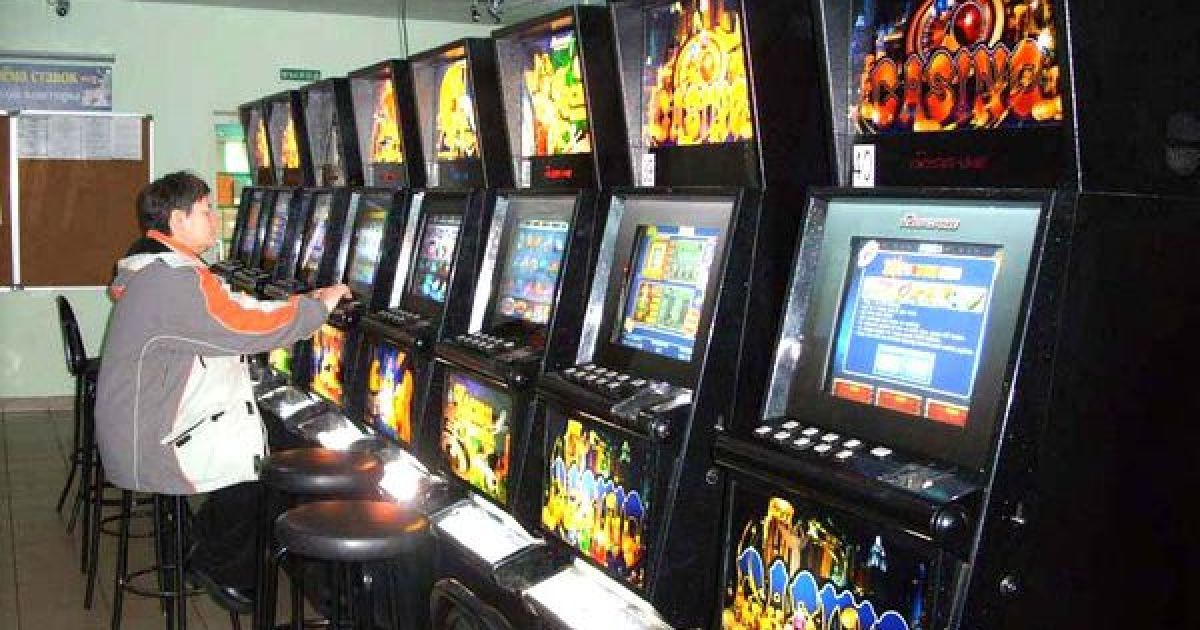
Modern Gambling Platforms and Cultural Adaptation
The rise of online gambling platforms has transformed how various cultures engage with gambling. With the convenience of accessing games from anywhere, these platforms cater to diverse audiences, adapting to local preferences and cultural nuances. For instance, certain games are tailored to reflect regional tastes, which helps bridge traditional practices with modern technology.
Furthermore, as cultures continue to intertwine in our globalized world, the appeal of gambling evolves. Online casinos often incorporate elements from different cultures, creating a rich tapestry of gaming experiences. This blending of cultural influences not only enhances the allure of gambling but also sparks conversations about responsible gaming practices and cultural sensitivities in this ever-changing landscape.