
The Allure of Chance and Risk
The initial draw of casinos can often be attributed to the thrill associated with chance and risk. Humans are inherently attracted to unpredictability, and this aspect of gambling taps into the exciting possibility of winning big. Just stepping into a casino can invoke a rush of adrenaline, as the sights and sounds create an exhilarating atmosphere. This blend of anticipation stimulates the brain’s reward system, which releases dopamine, making the experience not only enjoyable but addictive for many individuals. In addition to traditional games, some players enjoy exploring bitcoin betting sites that offer unique advantages, and the environment fosters a sense of euphoria that can be hard to resist, drawing people back for more.
Moreover, the design of casinos is meticulously geared towards promoting risk-taking behavior. From the layout to the use of bright colors and vibrant lights, everything is intended to captivate and keep players engaged. The placement of games, such as slot machines near popular pathways, ensures that individuals are constantly tempted to try their luck. This manipulation of the environment subtly influences players to make spontaneous decisions, driving the desire to gamble even further. The architecture and ambiance of casinos create an immersive experience where every corner holds the promise of a potential win.
This psychological push towards risk can sometimes overshadow the rational thinking of the individual. Many gamblers may experience cognitive distortions, such as the illusion of control, where they believe they can influence outcomes despite the inherent randomness of the games. This disconnect between perception and reality can lead individuals to take excessive risks, hoping to recoup losses or chase the thrill of a rare win. The allure of chance, combined with these cognitive biases, creates a perfect storm that entices players into a cycle of gambling that can be difficult to escape.
The Role of Emotional Factors
Emotions play a significant role in the behavior of individuals in casinos. The experience of losing can elicit strong feelings of frustration and disappointment, prompting some players to continue gambling in the hope of reversing their fortunes. This emotional rollercoaster, characterized by highs and lows, is a fundamental aspect of gambling psychology, as it triggers a cycle of behavior that is difficult to break. Players may convince themselves that their luck will change, leading to further investments of time and money. The emotional investment in gambling can create a powerful urge to keep playing, often against better judgment.
Conversely, winning can lead to a euphoric state that reinforces gambling behavior. The feeling of triumph associated with winning—even if it’s a small amount—can create a false sense of achievement, compelling individuals to crave that emotional high again. The highs of winning can evoke feelings of power and control, while losses often drive individuals to gamble more in an attempt to regain that fleeting sense of success. This emotional interplay can create a dependency on gambling as a means to manage feelings of inadequacy or stress, highlighting the delicate balance between joy and despair in the gambling experience.
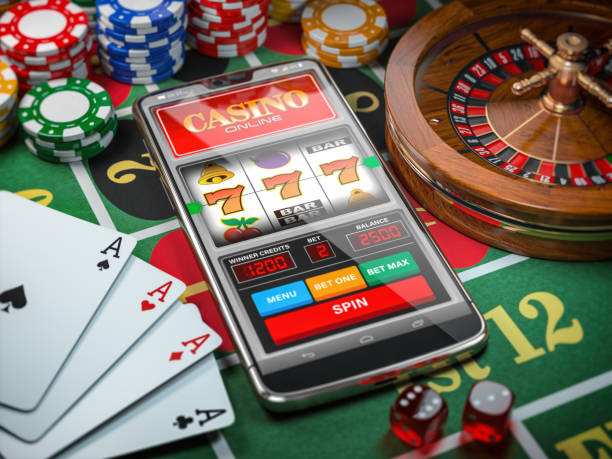
Additionally, social emotions such as peer pressure or the fear of missing out can also contribute to gambling behaviors. In casino environments, players often observe others winning, which can instill a sense of urgency or competitiveness. The desire to be part of a social experience—whether it’s celebrating wins with friends or the camaraderie of strangers at a table—can be a significant motivator for continued participation. All these emotional dynamics illustrate how gambling is not just about the game itself but is deeply intertwined with human feelings and social interactions, making the experience richer and more complex.
The Influence of Cognitive Biases
Cognitive biases significantly shape gambling behavior and decision-making processes. One prevalent bias in gambling is the gambler’s fallacy, which leads individuals to believe that past outcomes will influence future ones in games of chance. For instance, a player may think that after a long streak of losses, a win is due. This fallacy can cause players to spend more time and money at gaming tables, as they chase what they perceive as an inevitable victory based on previous results. Such misconceptions can cloud judgment, leading to irrational decision-making.
Another cognitive bias at play is the confirmation bias, where players seek out information that supports their belief in their winning strategies. This might include recalling past wins while ignoring losses or downplaying the negative outcomes associated with their gambling habits. Such biases can create a distorted perception of one’s gambling success, reinforcing the desire to continue playing despite the statistical realities of the game. The selective memory of wins over losses can trap players in a cycle of hope that is not grounded in reality.
Furthermore, the concept of near misses, where a player almost wins, can also be a powerful motivator. Games are often designed to showcase these moments, leading players to believe they were close to winning, which can encourage them to keep playing. This phenomenon feeds the idea that victory is within reach, reinforcing the cycle of gambling and making it even harder for individuals to recognize when they should stop. The psychological impact of near misses can be misleading, as it instills a false sense of optimism that perpetuates gambling behavior.
The Impact of Environment and Marketing Strategies
The casino environment is crafted intentionally to enhance the gambling experience, employing various psychological tactics to encourage patronage. The absence of clocks and windows erases the perception of time, allowing individuals to lose track of hours spent gambling. Additionally, the use of sound—such as the chimes and bells of slot machines—reinforces winning moments while also masking the sounds of losses. This designed environment creates an immersive experience that can lead individuals to gamble longer and spend more. These sensory elements are strategically employed to keep players engaged and unaware of their time and financial investments.

Marketing strategies employed by casinos further capitalize on psychological principles to attract and retain customers. Promotions, loyalty programs, and free incentives serve not only to enhance the immediate allure but also to engender a sense of commitment among players. The idea of loyalty rewards can create an implicit obligation to keep playing, where individuals feel compelled to return to the casino to “earn” their benefits, despite potentially incurring losses. This can lead to a cycle of gambling that becomes increasingly difficult to break, as the player feels tied to the casino through these marketing tactics.
Moreover, the atmosphere within a casino is crafted to be exciting and inviting, often incorporating elements that create a sense of exclusivity or privilege. VIP areas, high-stakes tables, and luxurious decor can make individuals feel special and encourage them to engage more deeply with the gaming experience. This appeal to status and belonging can significantly boost the time and money players are willing to invest in gambling activities, showcasing the powerful interplay between environment, marketing, and psychology in the casino industry. The careful orchestration of these elements ensures that players feel valued and compelled to return.
Exploring Responsible Gambling
Understanding the psychology of casino gambling is crucial for promoting responsible gambling practices. Awareness of the emotional and cognitive factors at play can empower individuals to make informed decisions about their gambling habits. By recognizing the signs of addiction or problematic gambling behavior, players can take proactive steps to seek help or establish limits before gambling leads to financial or emotional distress. This self-awareness serves as a foundational element of maintaining a healthy relationship with gambling and can help individuals avoid the pitfalls that come with excessive gambling.
Education is also an essential component of responsible gambling. Informing players about odds, bankroll management, and the risks associated with gambling can help them make better choices. Many casinos and online platforms now offer resources to educate patrons on responsible gambling and provide support options for those struggling with addiction. By prioritizing education and awareness, the gambling industry can work towards fostering a safer environment for all players, ensuring that gambling remains an entertaining activity rather than a detrimental habit.
Additionally, many organizations exist to promote responsible gambling initiatives, offering resources and support to individuals and families affected by gambling addiction. Forums, hotlines, and counseling services are available to aid those who seek assistance. By engaging with these resources, individuals can find ways to manage their gambling behaviors, ensuring that the experience remains enjoyable rather than detrimental. In a landscape where gambling is increasingly prevalent, emphasizing these responsible practices is more important than ever for fostering a healthier relationship with the activity, ultimately benefiting both the individual and society as a whole.